Experts
Meet the advisors, researchers, and specialists supporting AgriSmart Technologies.

Ted S. Kornecki
Senior Consultant
Expand
Ted S. Kornecki
Senior Consultant
Dr. Ted S. Kornecki is a licensed Professional Agricultural Engineer with over 45 years of experience spanning federal research and academia. He currently serves as Adjunct Faculty in the Biosystems Engineering Department at Auburn University.
Dr. Kornecki retired in 2025 as a Senior Research Scientist from the USDA Agricultural Research Service at the National Soil Dynamics Laboratory in Auburn, Alabama, where he led pioneering work in conservation agricultural systems. Prior to this, he worked as an Agricultural Engineer with USDA-ARS in Baton Rouge, Louisiana, focusing on soil and water research.
He holds a Master of Science in Agricultural Engineering from the Agricultural University in Wrocław, Poland, and a Ph.D. in Biosystems Engineering from Oklahoma State University. Since 2001, he has been a registered Professional Agricultural Engineer in the State of Louisiana.
Dr. Kornecki’s expertise centers on the design and development of innovative equipment for conservation agriculture, particularly rollers/crimpers for cover crop management and systems for planting and transplanting into cover crop residues. His work has significantly advanced sustainable farming practices and reduced reliance on conventional tillage.
He is an accomplished inventor, having conceived eight U.S. patents and two additional published patent applications. His scholarly output includes 134 peer-reviewed publications (79 as senior author), five book chapters, and 44 presentations at national and international conferences. ]
Xiaoyuan Geng
Senior Consultant
Expand
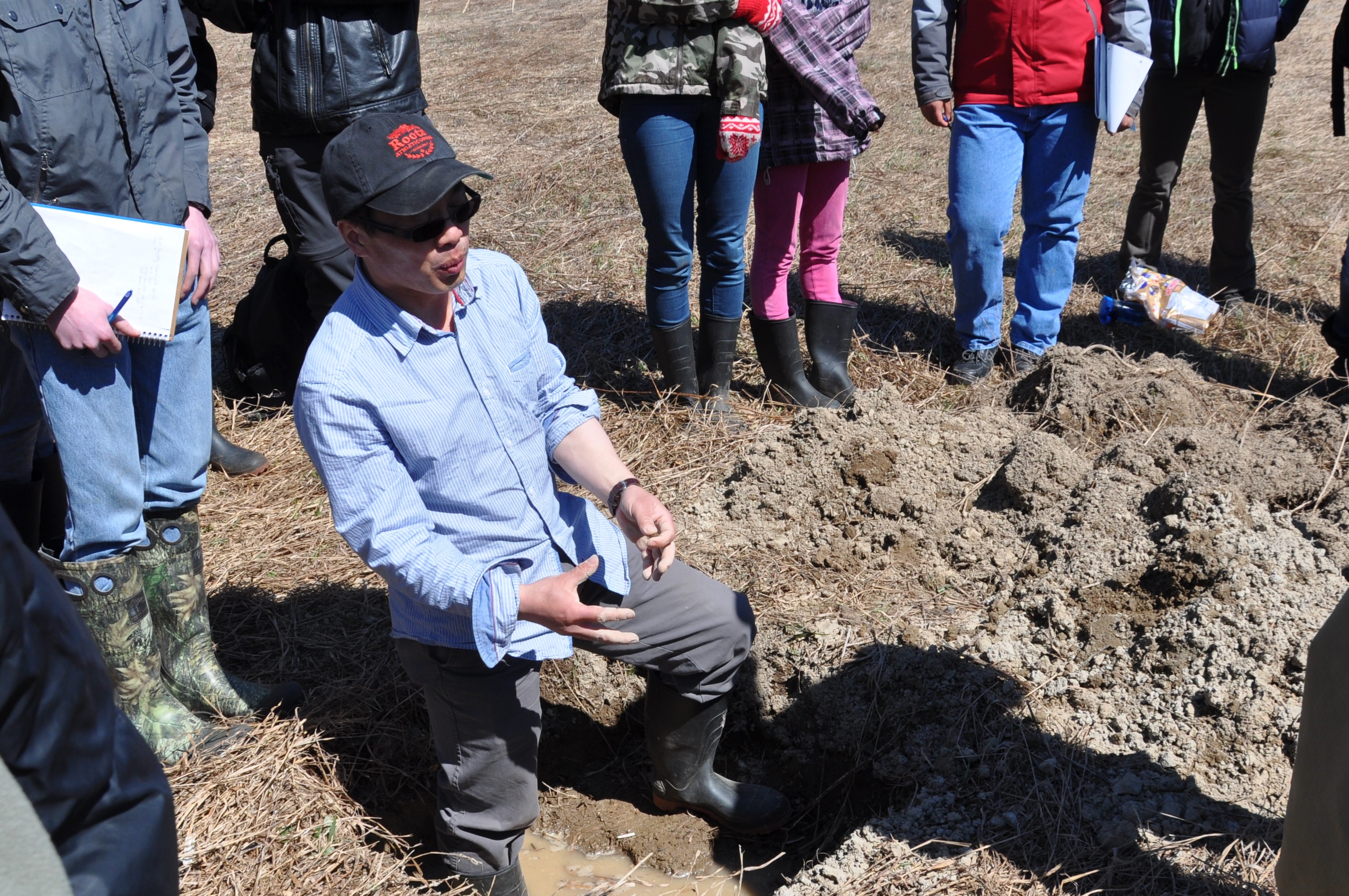
Xiaoyuan Geng
Senior Consultant
Dr. Xiaoyuan Geng was the manager and head scientist of the Canadian Soil Information Service (CanSIS), Agriculture and Agri-Food Canada. Dr. Geng also taught remote sensing and GIS programming courses at the University of Alberta and Algonquin College in Canada. He constructed and piloted core specifications of the early versions of the Web Processing Service (WPS) and Table Joining Service (TJS) international standards of the Open Geospatial Consortium (OGC).
Dr. Geng developed key data integration and processing algorithms and produced an essential national framework dataset, Soil Landscapes of Canada. The framework is used for national sustainable metrics modeling, national environmental statistical reporting, international contributions on carbon accounting and environmental assessments etc. Through his Ph. D research, Dr. Geng developed an operational framework for predictive soil mapping in Canada. The framework is being used for national soil and soil landscape data renewal and applications. He also led a large collaborative effort on national soil and soil landscape data renewal and integrated use for several national applications such as a national soil carbon sequestration potential inventory, sustainability metrics, living laboratories, and national ecological goods and services reporting.
Presently, Dr. Geng is working with the Food and Agriculture Organization of the United Nations (FAO) to lead the design and development of a scalable fertilizer recommendation system for seven member nations.
John Ulimwengu
Senior Consultant
Expand
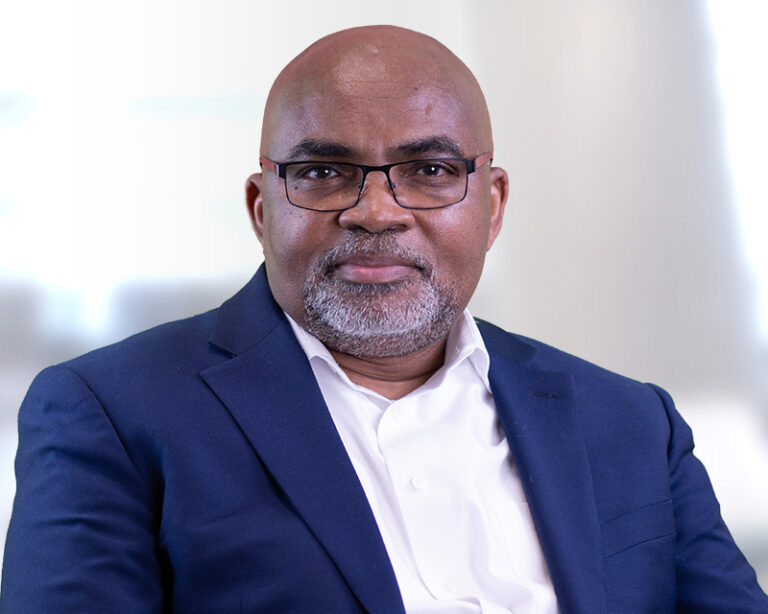
John Ulimwengu
Senior Consultant
Dr. John Ulimwengu is a Senior Research Fellow in the Development Strategies and Governance Unit at the International Food Policy Research Institute (IFPRI) who currently works on food systems mapping in selected African countries. His research interests include food systems dynamics, resilience, and spatial typology for food and nutrition security. Since 2007, John has been involved in strategic research on the transformation of food systems in Africa under the Comprehensive Africa Agriculture Development Programme (CAADP) agenda and has served as the Africa-wide coordinator of the Regional Strategic Analysis and Knowledge Support System (ReSAKSS). He co-developed an interactive spatial typology tool for food and nutrition security that several countries use. He holds a PhD in agricultural economics and a master’s degree in economics from Ohio State University, as well as a master’s degree in development economics from Williams College.